

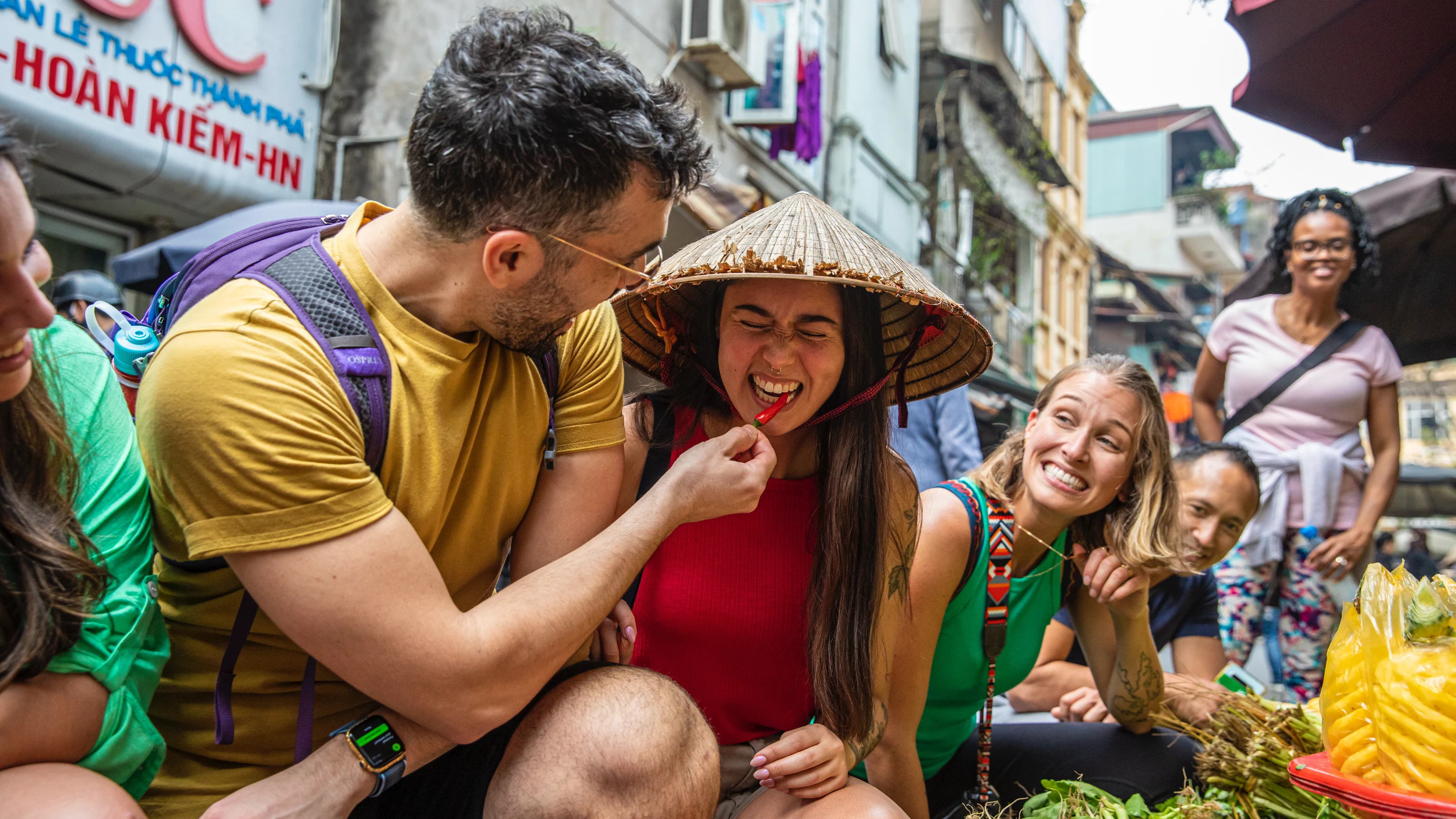
Food has the remarkable ability to tell stories, preserve traditions, and connect people across cultures. For those with a passion for taste and discovery, culinary travel adventures provide an unforgettable way to explore the world. From bustling street markets to serene vineyards, these journeys allow travelers to savor flavors, learn cooking techniques, and uncover the history behind every dish. The experience transforms ordinary travel into a multisensory exploration of culture, creativity, and community.
Discovering Local Markets
The heartbeat of culinary exploration often lies in local markets. Fresh produce, fragrant spices, and artisanal products create an immersive environment brimming with color and aroma. Walking through these markets, travelers witness the everyday rituals of locals, the relationships between vendors and patrons, and the cultural significance of ingredients.
Engaging with vendors enhances the experience. Asking questions about sourcing, preparation, or the history of particular foods provides insight into regional culinary traditions. Market visits are not just shopping trips—they are interactive lessons in flavor, culture, and community.
Hands-On Cooking Experiences
One of the most rewarding aspects of culinary travel is participating in hands-on cooking sessions. Learning to prepare traditional dishes under the guidance of local chefs allows travelers to experience techniques, ingredients, and flavor profiles firsthand. These sessions foster skill development while revealing the stories embedded in recipes passed down through generations.
From kneading bread in a rustic kitchen to mastering the perfect balance of spices in a curry, hands-on cooking creates an intimate connection with the culinary heritage of a region. Each dish becomes a story, offering insight into culture, climate, and lifestyle.
Street Food Exploration
Street food offers an authentic taste of a destination, reflecting local ingenuity and daily habits. Food stalls, night markets, and roadside eateries serve dishes that often have centuries of history behind them. Sampling these flavors provides a glimpse into the social and culinary fabric of a community.
Exploring street food requires curiosity and openness. Engaging with vendors, observing preparation methods, and savoring unique combinations allows travelers to appreciate the artistry and creativity that elevate everyday meals into extraordinary experiences.
Wine, Coffee, and Specialty Tastings
Culinary travel is not limited to savory dishes. Wine tours, coffee tastings, and specialty beverage experiences offer insights into agricultural practices, terroir, and production techniques. Visiting vineyards, coffee plantations, or artisanal breweries exposes travelers to the interplay between environment, culture, and craftsmanship.
Learning about fermentation, roasting, or aging processes deepens appreciation for the complexity behind each sip. These experiences add layers to culinary travel adventures, combining sensory delight with cultural and scientific understanding.
Food as Cultural Storytelling
Every dish carries a narrative. Recipes, ingredients, and presentation methods convey history, migration patterns, and community values. Culinary tours often include discussions with locals about family traditions, festivals, and food rituals, revealing layers of meaning that extend beyond flavor.
Through tasting, preparing, and observing, travelers encounter stories that connect them to a region’s identity. Food becomes a medium for cultural storytelling, bridging gaps and creating lasting memories.
Sustainable and Ethical Culinary Practices
Modern culinary travel increasingly emphasizes sustainability and ethics. Farm-to-table experiences, visits to organic farms, and lessons in foraging or preservation provide travelers with knowledge about responsible consumption and environmental stewardship.
Understanding the origins of food fosters a deeper respect for the people and ecosystems involved in production. These practices enhance the journey, showing that culinary enjoyment and sustainability can coexist beautifully.
Culinary Adventures as Personal Growth
Participating in culinary exploration nurtures personal growth and creativity. Travelers develop new skills, expand their palates, and gain confidence in experimenting with flavors and techniques. Every shared meal, cooking session, and market interaction contributes to a sense of accomplishment and cultural empathy.
Food has a way of uniting people, regardless of background. Travelers often return home with more than recipes—they bring memories, stories, and a profound appreciation for diversity and creativity in cuisine.
Building Connections Through Food
At the heart of culinary travel adventures is human connection. Conversations with chefs, vendors, and fellow travelers foster relationships, exchange knowledge, and create shared experiences. Dining together, learning together, and exploring flavors collectively make travel meaningful, turning meals into moments of bonding and cultural exchange.
Conclusion
Culinary travel offers an unparalleled opportunity to explore culture through flavor, technique, and storytelling. From vibrant markets and street food stalls to cooking classes and vineyard tours, every experience is an invitation to engage with local traditions and creativity.
Through culinary travel adventures, travelers gain more than a taste of regional cuisine—they gain insight, skills, and memories that endure long after the journey ends. These adventures transform food into a gateway for exploration, connection, and discovery, leaving travelers inspired, nourished, and enriched in ways that extend beyond the plate.


More Stories
Culinary Travel Highlights for 2025
Culinary Travel Destinations Worth the Bite
Culinary Travel Inspiration for Foodies