A boutique hotel is not defined by size alone. It is a property with a point of view, usually under a hundred rooms, often independently run. That can mean hand-picked art and a rooftop bar, or it can mean thin walls and a reception desk that closes at nine. The word itself promises very little, so the work falls to you.
Start With the Trip, Not the Hotel
Ask what the room is for. If you are out from morning to night, you are buying a bed and a shower. If you work from the room or travel with children, space and quiet matter more than a lobby playlist. A design hotel with a famous bar is the wrong pick for an early flight.
Write down three must-haves before you browse. Common ones are walkable dining, a bathtub, air conditioning, or a twenty-four-hour desk. Then filter hard.
Read the Room Size in Meters
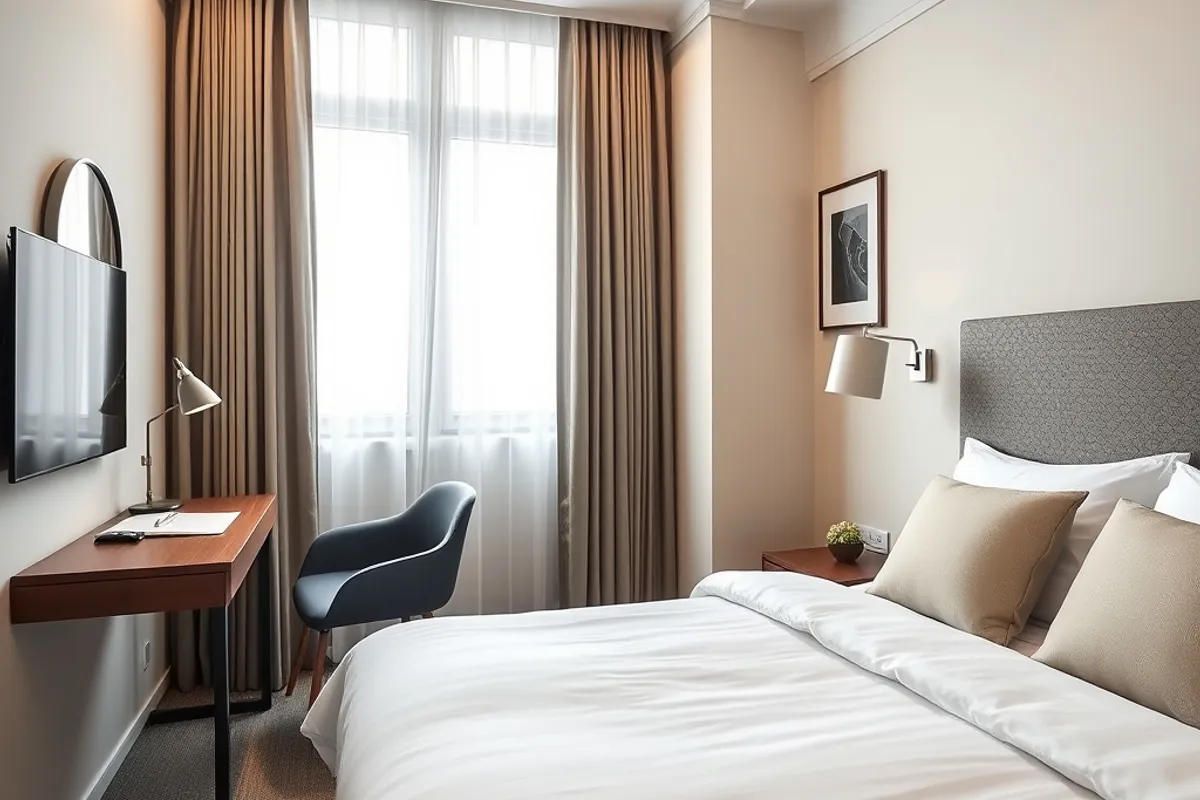
Boutique rooms are often smaller than chain rooms at the same price. A listed 18 square meters is snug for two people with luggage. Look for the number in the listing and compare it honestly. If photographs show a single bedside table, the room is probably tight.
- Under 20 sqm: fine for solo travelers and short stays
- 20 to 28 sqm: comfortable for two people
- 28 sqm plus: space to unpack and spread out
- Always check the bed size, not just the room size
Location Beats Décor
A beautiful room in the wrong district costs you time every day. Check the walk to the nearest transit stop and to the places you plan to eat. Zoom in on the map and look for a highway, a rail line, or a nightlife street within a block.
Read recent reviews for the words guests use when they are annoyed: noise, smell, stairs, construction. One dated complaint means little. Three in the last month means something.
Understand the Fees Before You Book
Resort fees, service charges, and city taxes can add fifteen to twenty percent to the nightly rate. These appear in the fine print. Our guide to resort fees breaks down what is usually included. Add the total to your nightly budget before you compare two hotels.
Cancellation terms also vary. A flexible rate may cost more but save you if plans move. If your trip is fixed, a non-refundable rate is a fair trade for a lower price.
Questions Worth Emailing
Small hotels often answer quickly and honestly. Send three short questions: Is the room quiet at night? Is there a lift? What time does reception close? The reply itself tells you how the service will feel.
The staff reply is the first sample of the service. Slow, vague answers rarely improve at check-in.
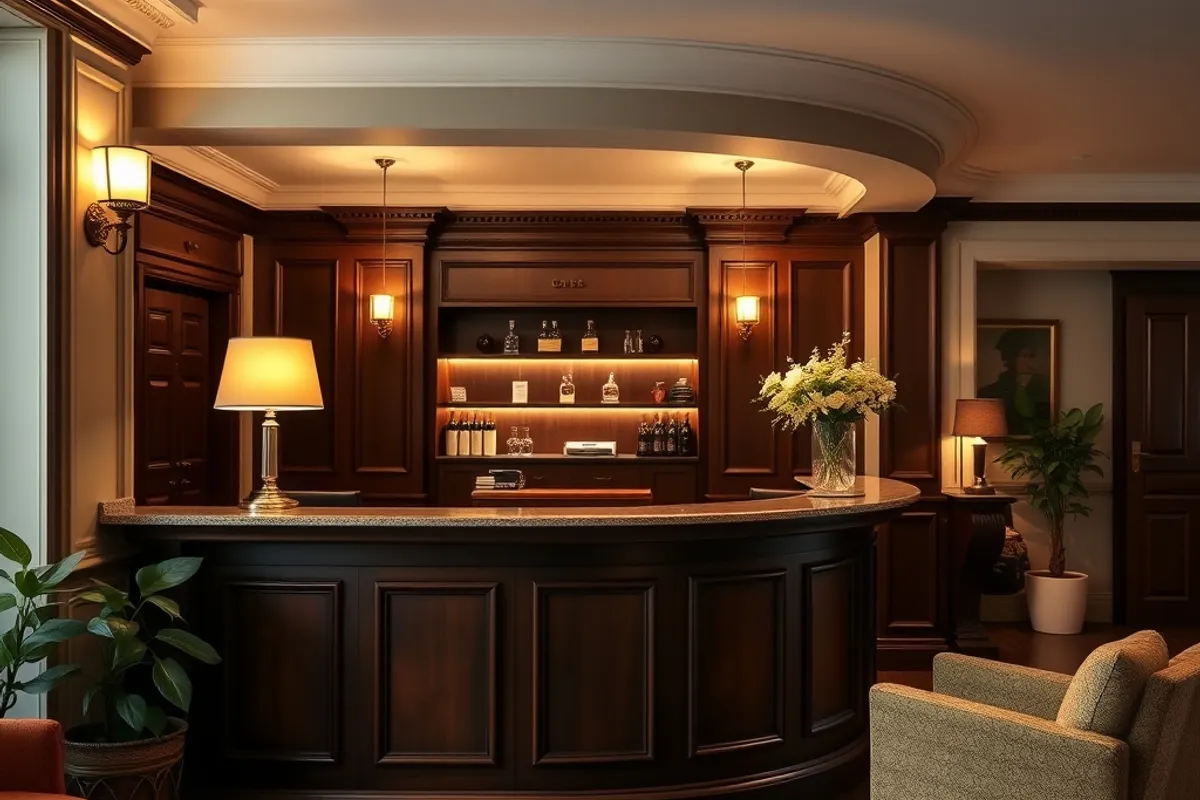
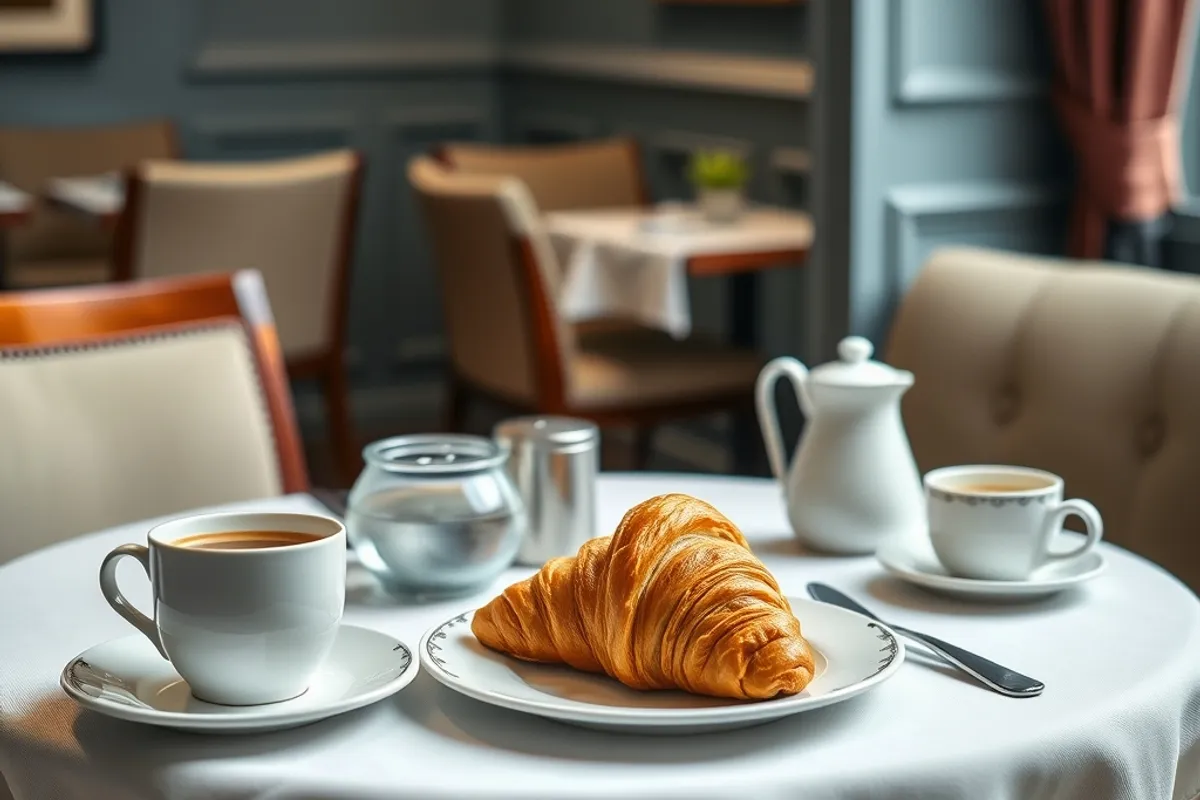
Ask about breakfast hours if you leave early, and whether the hotel holds luggage after checkout. Both matter more than the lobby scent.
Match the Property to the Season
A garden hotel shines in spring and feels damp in winter. A rooftop pool is a selling point in July and a waste in November. Travel in shoulder season and the same room often costs less while the weather stays good.
General consumer advice from established travel publishers, such as the buying guidance at Rick Steves, helps you spot a fair rate and a reputable operator. If you are building a multi-city trip, our Lisbon neighborhood guide shows how much location shapes a stay.
A Booking Checklist That Saves Money
Book direct when the rate matches and perks are real. Compare the total, taxes included, across two or three sites. Set a price alert eight to ten weeks out. Then stop looking; second-guessing rarely beats a good room at a fair price.
Boutique hotels reward research. Do twenty minutes of it, and the small property that looked risky becomes the best stay of the trip.