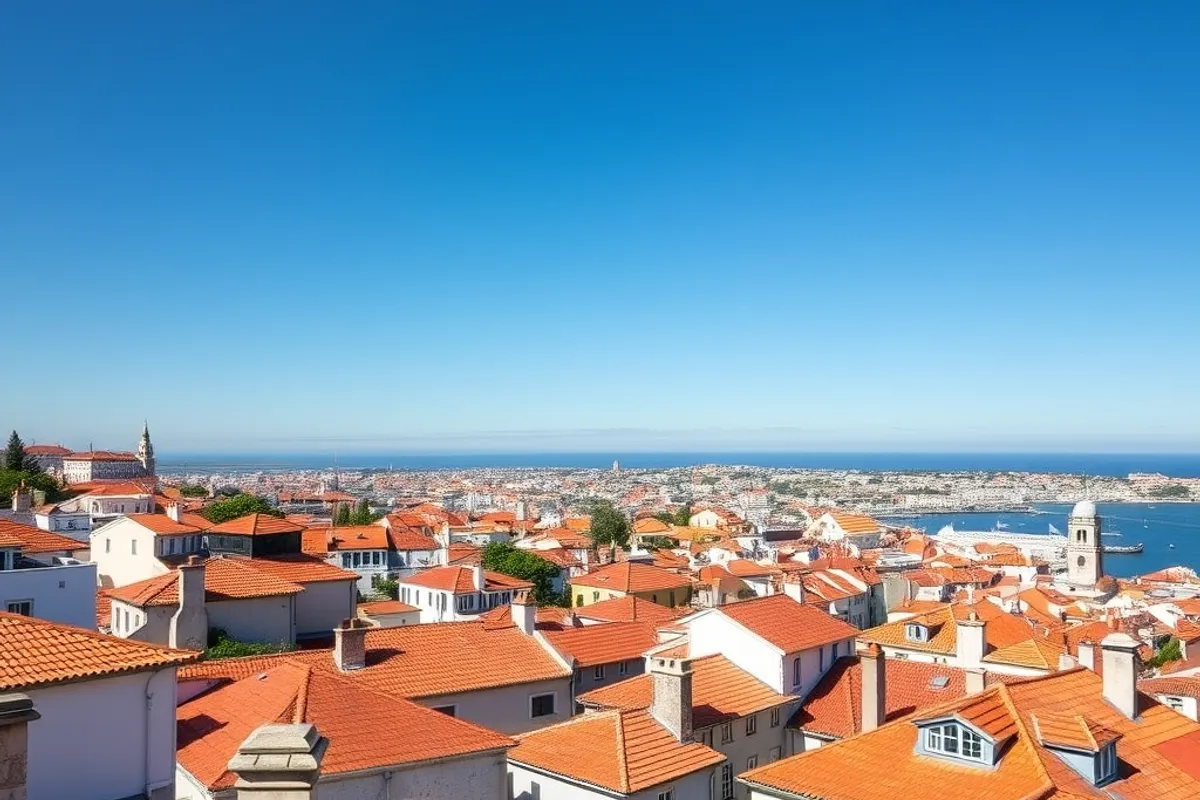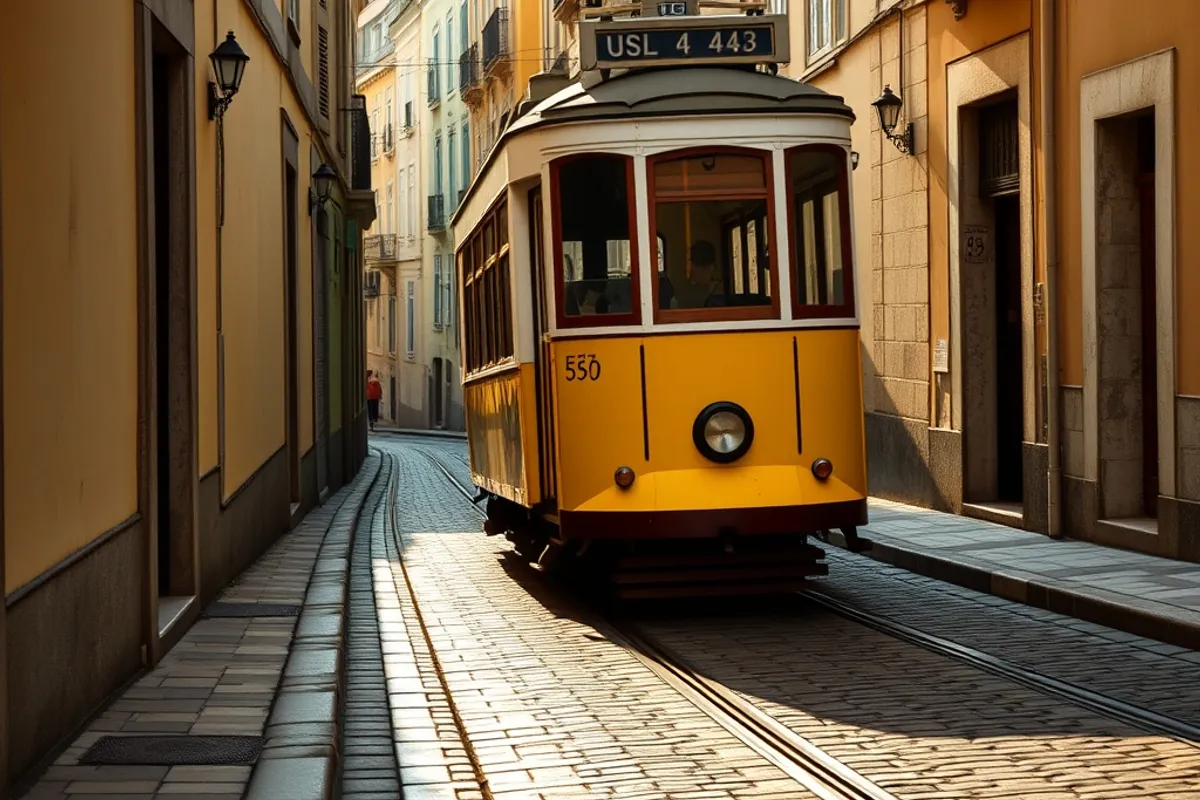
Lisbon looks small on a map and feels enormous underfoot. The city stacks seven hills into a few square kilometers, and every tram ride hides a climb you will pay for later. Travelers who try to tick off Belém, Alfama, and Sintra in a single day usually remember only the queues. A slower plan costs less and shows more.
Why Lisbon Rewards Slow Travelers
The city works best at walking pace. Streets are narrow, tiled, and often one-way for cars, so taxis crawl while pedestrians cut through. Metro tickets in 2026 run about €1.80 per ride on a rechargeable Viva Viagem card, and a 24-hour pass sits near €6.80. If you stay central, you may only need the metro twice.
Mornings belong to residents. Bakeries open at seven, trams fill by eight, and the famous viewpoints stay quiet until about ten. Book your rooftop photos early and give the afternoon to a single district instead of four.
Where to Base Yourself: Three Neighborhoods
Pick a base within a fifteen-minute walk of the river and you will not fight the hills. Baixa is flat and central. Alfama is atmospheric and steep. Príncipe Real is calm and full of small hotels. All three connect by metro or a short walk.
Alfama: Hills, Fado, and Early Mornings
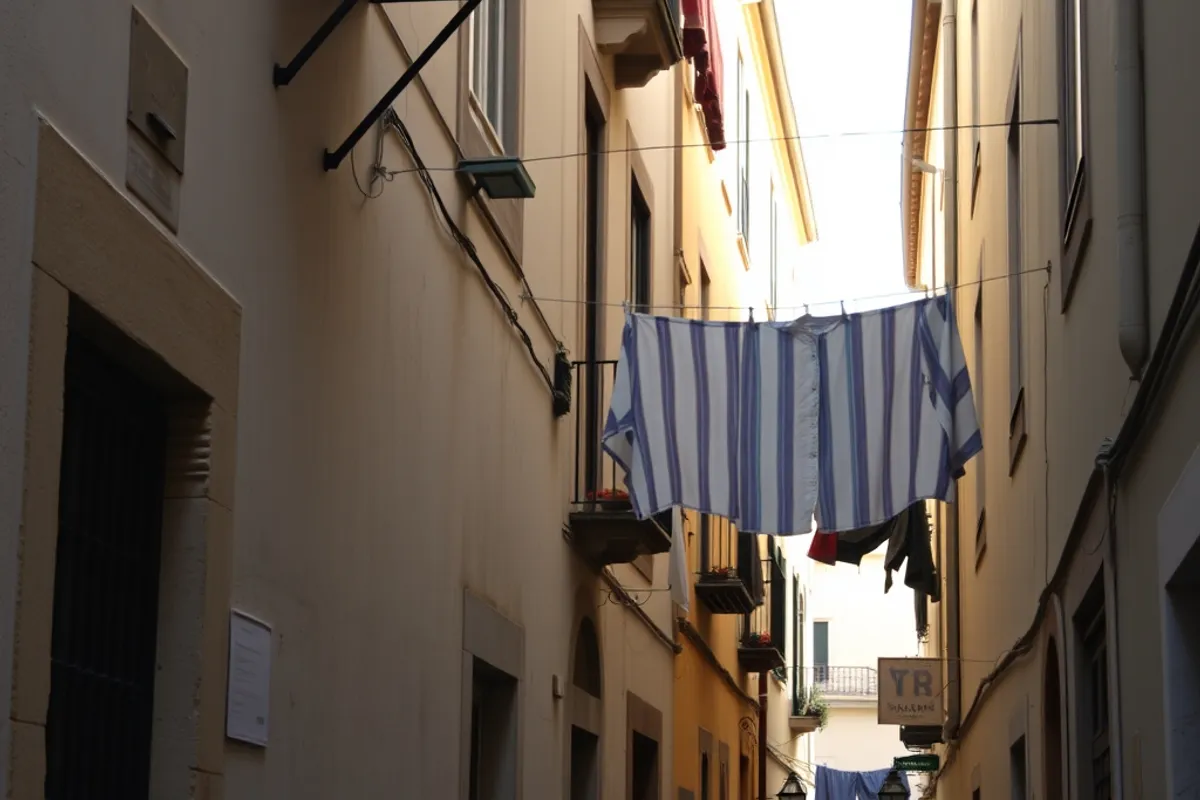
Alfama is the oldest quarter, a tangle of stairs above the Tagus. It is beautiful at 7am and unbearable at 7pm in July. Stay here only if you value atmosphere over convenience, and choose a room away from the fado bars on Rua dos Remédios. Restaurants on the main tourist lanes charge double for average food; walk five minutes uphill for better plates at lower prices.
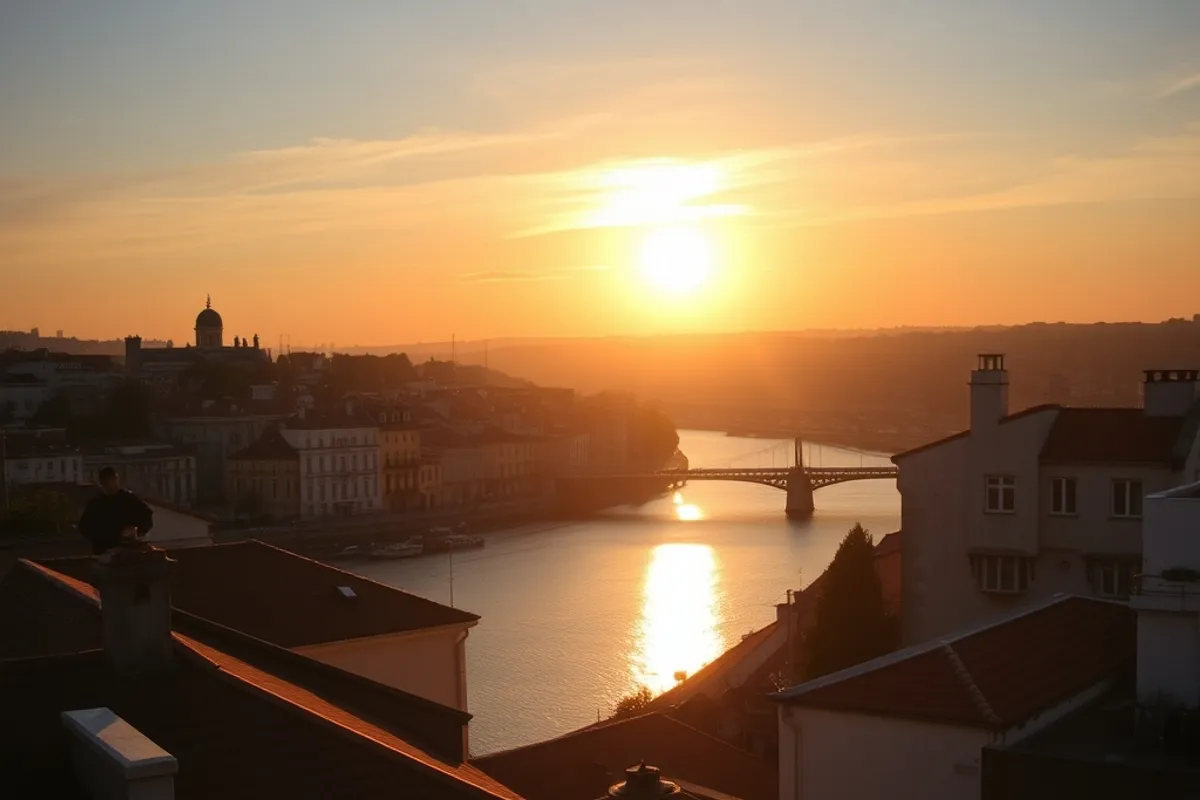
Miradouro de Santa Luzia opens early and gives you the postcard view before the tour groups arrive. Bring water; the climb from the river is honest work.
Baixa and Chiado: Flat, Central, Practical
Baixa rebuilt after the 1755 earthquake on a grid, so it is easy to navigate. Chiado next door adds bookshops and cafés. This is the best base for a first trip because you can reach Alfama, the river, and the train to Sintra without climbing much. Hotel prices here rise sharply in spring, so book eight to ten weeks ahead.
The Santa Justa lift charges around €6 and draws a long line for a view you can get free from the Chiado terraces. Skip it and walk to Miradouro de São Pedro de Alcântara instead.
The best Lisbon itinerary leaves two hours unplanned every afternoon. That gap is where the city surprises you.
Príncipe Real: Quiet Streets and Small Hotels
Príncipe Real sits above Bairro Alto and feels like a village. The botanical garden is cheap, the Sunday market is small, and the streets stay calm at night. Boutique hotels cluster here, often in restored townhouses with fewer than twenty rooms. If you want a base that lets you sleep, this is it.
Dinner reservations matter from Thursday to Saturday. Ask your hotel to book one day ahead, or eat at the counter where walk-ins are welcome.
What 72 Hours Actually Costs
A realistic mid-range budget for three days, per person, lands near these figures:
- Bed and breakfast in a small hotel: €110 to €160 per night
- Meals: €10 for a cheap lunch, €25 to €40 for dinner with wine
- Transport: €7 to €14 total with a rechargeable card
- Museums: €8 to €12 each, free on some Sunday mornings
That puts a comfortable three-day visit between €450 and €650 before flights. See current opening hours and events on Visit Portugal, the national tourism board.
A Simple Three-Day Shape
Day one: settle into Baixa, walk the riverfront, eat grilled fish in Alfama at sunset. Day two: morning in Alfama, afternoon tram to Belém for the monastery and pastéis de nata. Day three: train to Sintra early, back by four, then a quiet dinner in Príncipe Real.
If you plan to move between cities afterward, read our guide on why shoulder season travel saves money. And if you are still choosing a room, our notes on how to pick a boutique hotel will keep you out of the noisy laneways.
Lisbon rewards patience. Walk, stop, and let the hills set the pace. You will leave with better photos and fewer blisters than the traveler who tried to see everything.