Japan has a reputation for expense, but the mid-range traveler does well here. Set menus are generous, trains are punctual, and hotels are clean at every price. The trick is choosing where to spend and where to save. Seven days between Tokyo and Kyoto is a good test.
What Seven Days Actually Costs
These figures are per person for a couple sharing a room, in 2026, outside the cherry blossom peak.
- Business hotel: $70 to $120 per night
- Meals: $8 breakfast, $12 lunch, $25 dinner
- IC card local trains and subway: about $12 per day
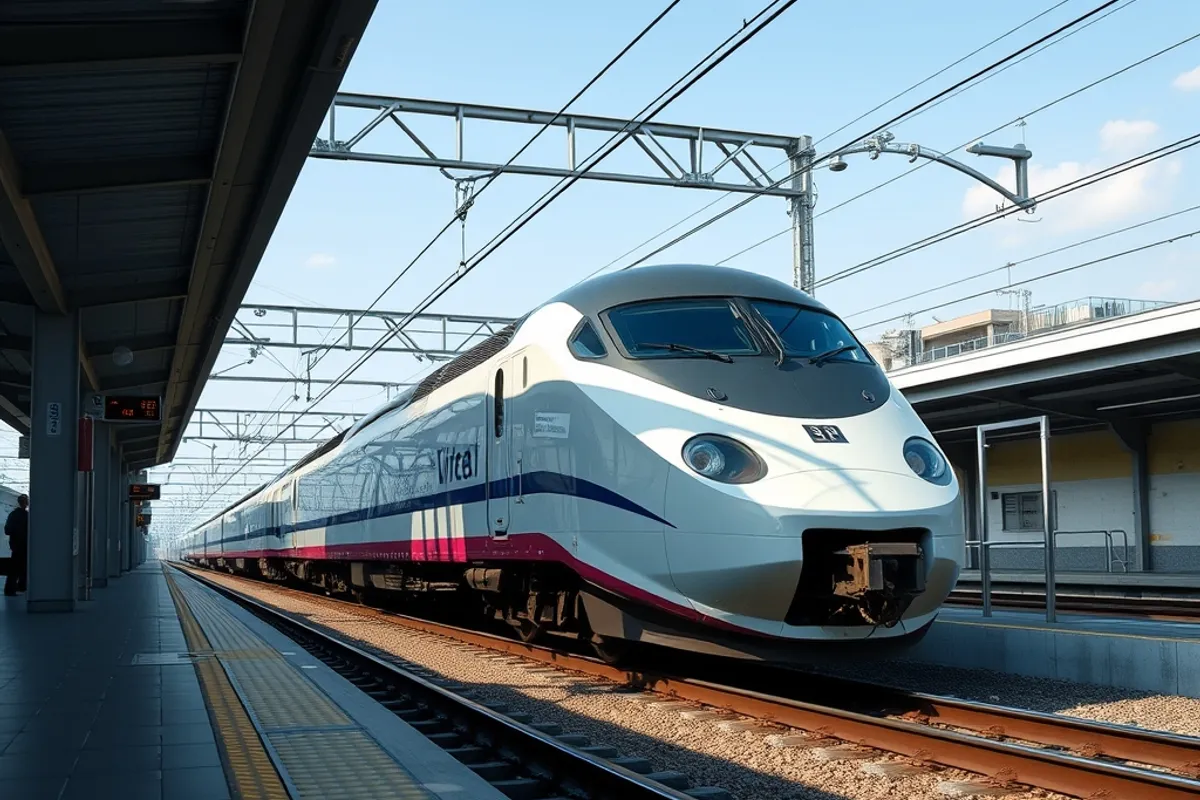
- One-way Tokyo to Kyoto bullet train: roughly $95
- Museums and temples: $5 to $8 each
A comfortable week lands near $1,250 to $1,600 before flights. Trim the bullet train or add hostel nights and it drops fast.
Where to Sleep
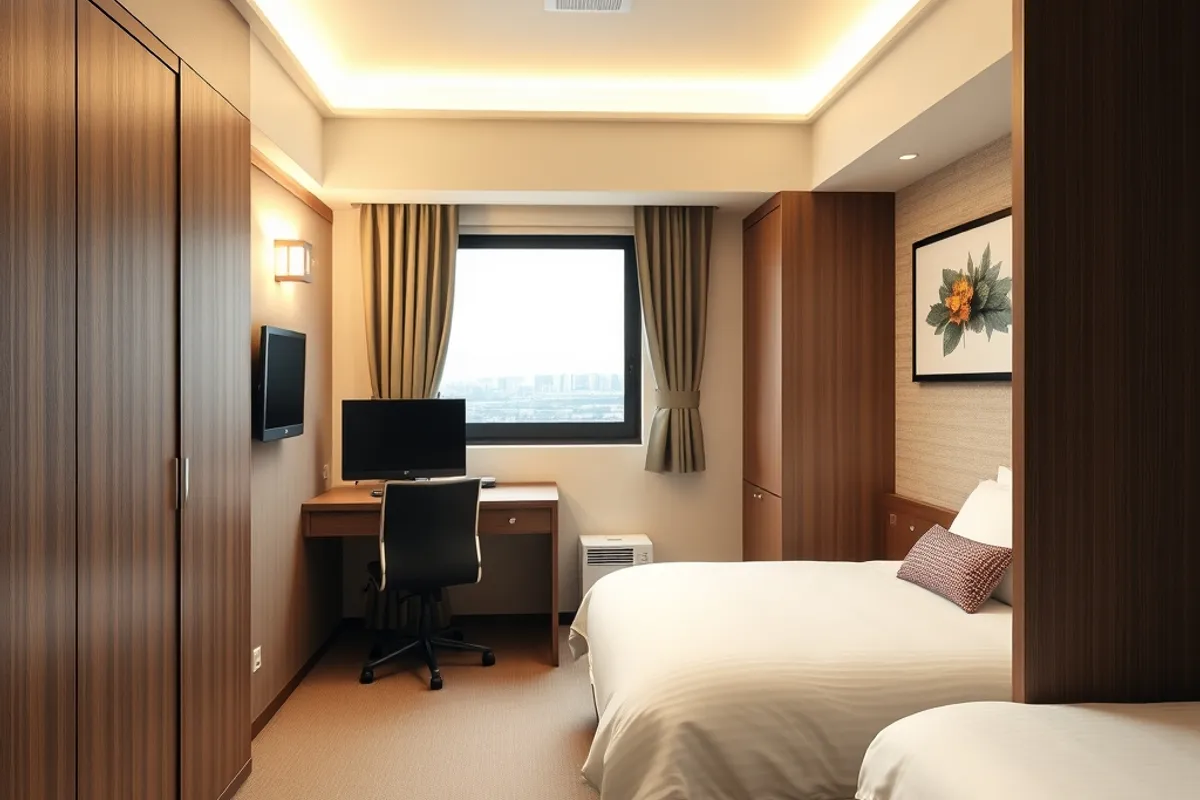
Business hotels offer small, spotless rooms near stations. They are the best value in Japan. Book eight to twelve weeks ahead for the lowest rates. Ryokan stays cost more but include dinner and a bath; a single night is a fair splurge.
Staying near a major station saves taxi money and time. That single choice shapes the whole week.
Eating Well for Less
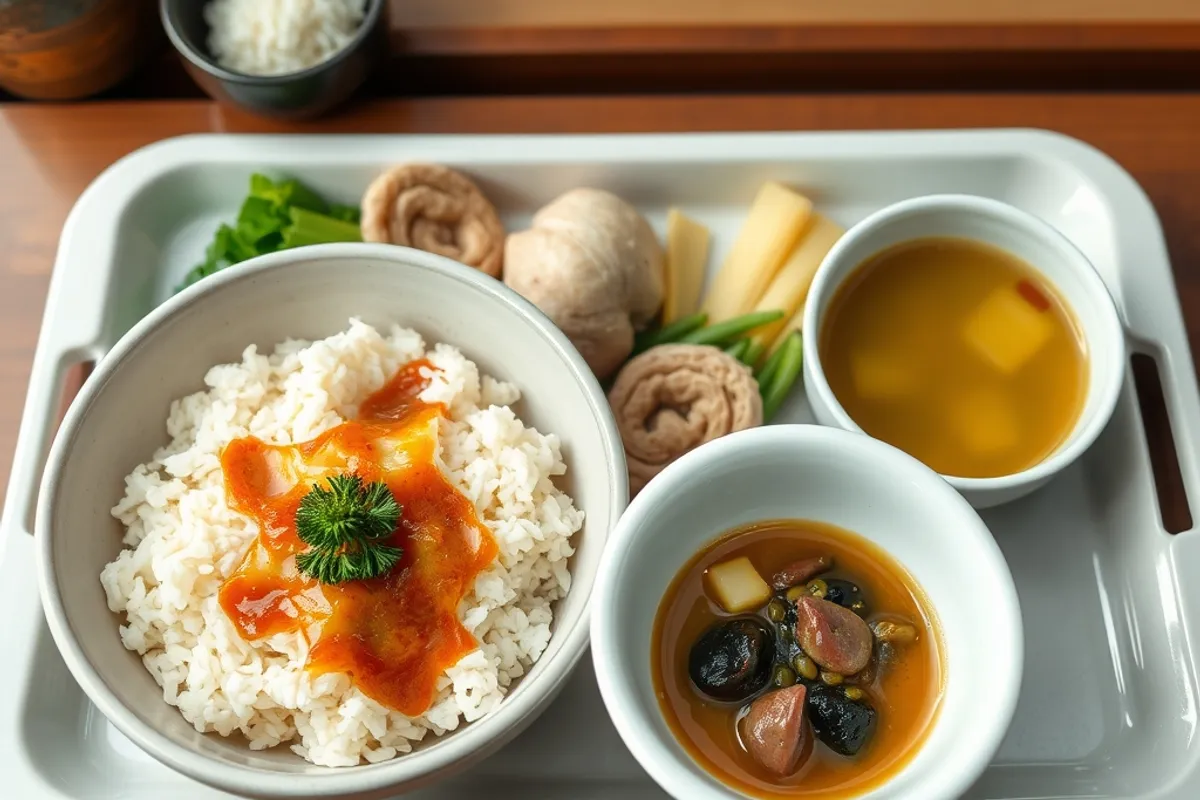
Convenience stores sell excellent breakfasts for a few dollars. Lunch sets at busy offices cost less than dinner for the same food. Departments stores discount prepared meals in the evening, a cheap and delicious dinner.
In Japan, lunch is the same kitchen as dinner at half the price. Eat your big meal at noon and save the night for a light bowl.
Getting Around Without Overspending
Load an IC card for local trains and buses; it works in most cities and saves buying tickets. For long routes, compare the bullet train against a domestic flight. A rail pass pays off only if you take several long trips, so run the math before buying.
Walk more than you plan. Japanese cities are safe and dense, and the best food streets are a short stroll from any station.
A Seven-Day Shape
Days one to three: Tokyo, with one day trip to Nikko or Kamakura. Day four: bullet train to Kyoto. Days five to seven: Kyoto and a half-day in Nara or Osaka. This pace leaves room for slow mornings.
Plan around the seasons; our shoulder season guide shows why late spring and late autumn pay off. Pack light with a carry-on backpack so you can move between hotels easily, and check our street food notes if you continue south afterward. The official national tourism site at japan.travel lists regional events and transport passes worth checking before you set a route.
Small Habits That Add Up
Carry cash for small shops, though cards work in most places now. Buy a portable wi-fi or eSIM rather than roaming. Use luggage forwarding once instead of hauling bags on crowded trains. Each saves money or stress, and together they keep a mid-range trip comfortable.
Where to Splurge and Where to Save
Spend on experiences that are hard to repeat: a night in a ryokan, a good sushi counter, a guided walk in an old district. Save on things that feel the same everywhere: airport transfers, chain coffee, taxis for short trips. This split makes a mid-range budget feel generous.
Book the popular restaurants through your hotel a day or two ahead rather than queuing. Buy shrine and temple tickets on site; most cost a few dollars and need no planning. Set aside one flexible day with no reservations so a local recommendation can reshape your plan.
Japan rewards planning, but it also rewards wandering. Budget for both, and the week will feel twice as long.