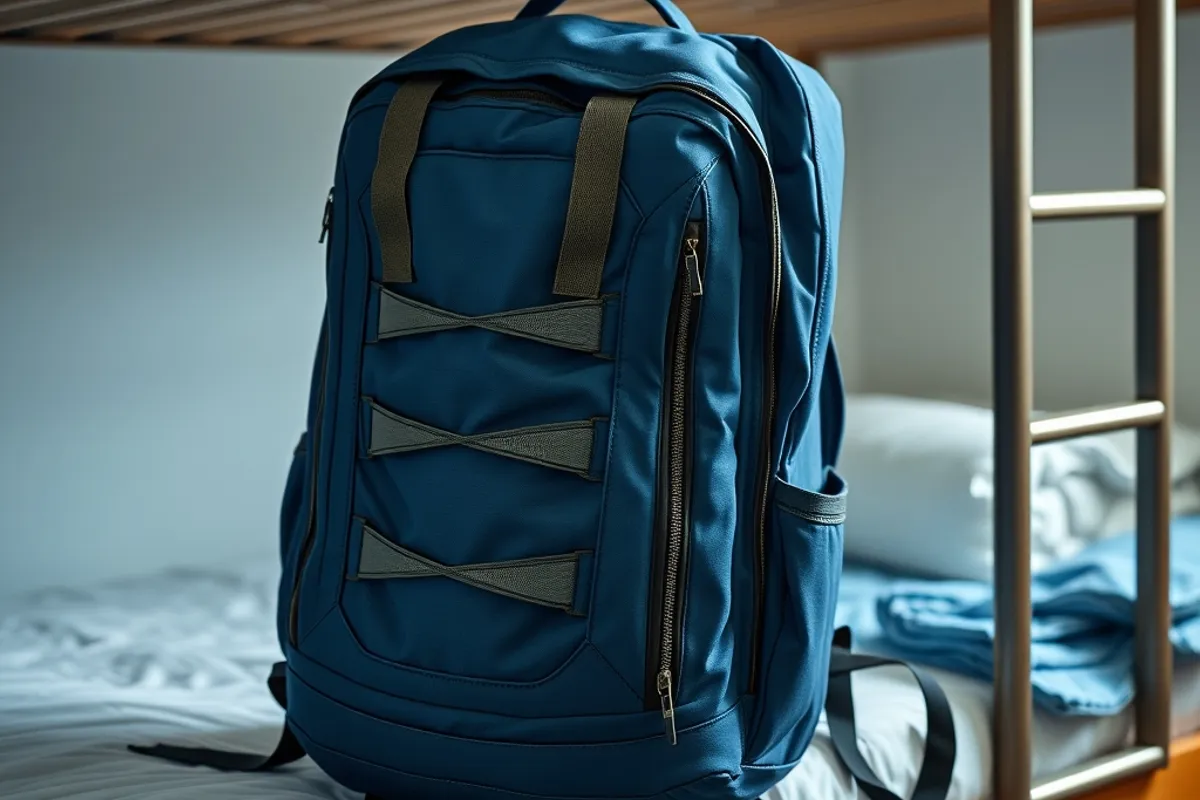
A good carry-on backpack does one job: it keeps you out of the checked-bag line without wrecking your shoulders. The market is crowded with bags that look technical and fail the sizer. Buy by measurement, not by marketing.
The Numbers That Actually Matter
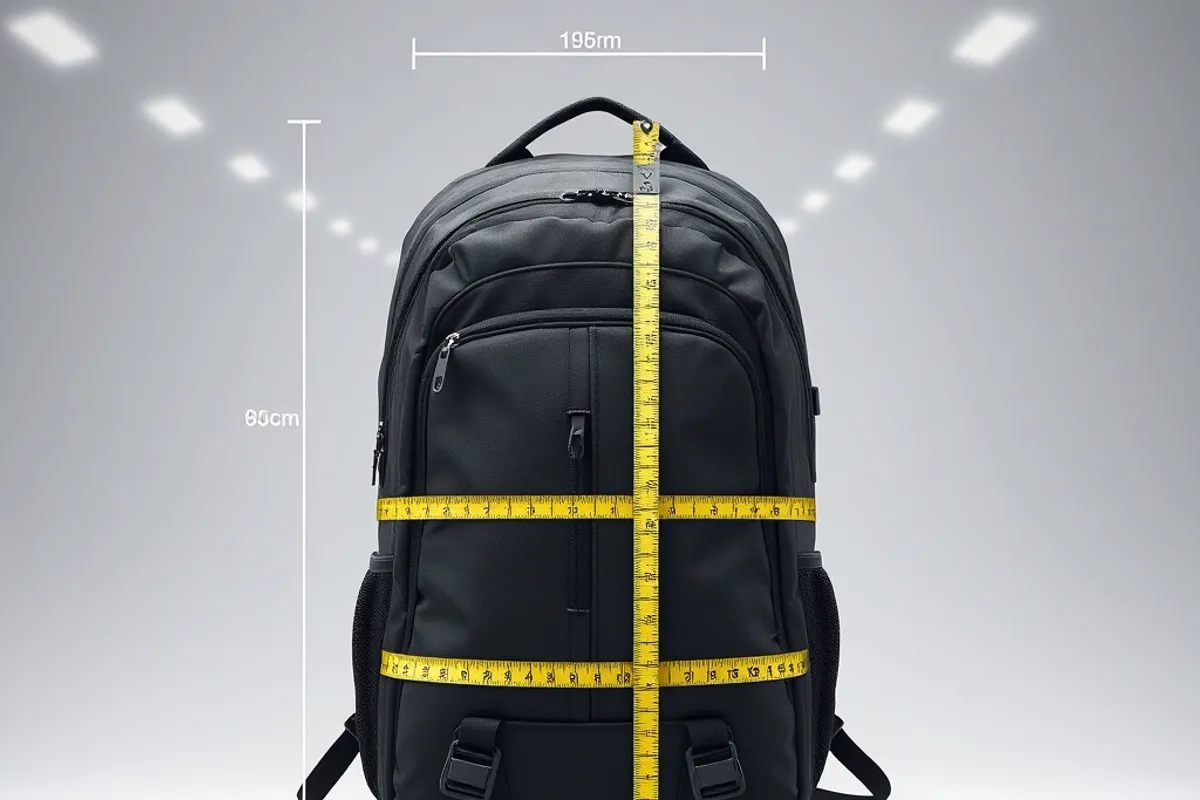
Budget airlines enforce dimensions strictly. The common limit is 55 by 40 by 20 centimeters, roughly 22 by 16 by 8 inches. Some carriers shrink that to 40 by 30 by 20 for a free personal item. Weigh your packed bag at home; many airlines cap carry-on at seven to ten kilograms. Airline security rules also limit what you can carry, and the United States Transport Security Administration publishes a clear list at tsa.gov.
- Cabin size: check the exact centimeter limit per airline
- Target weight: keep the empty bag under 1.5 kg
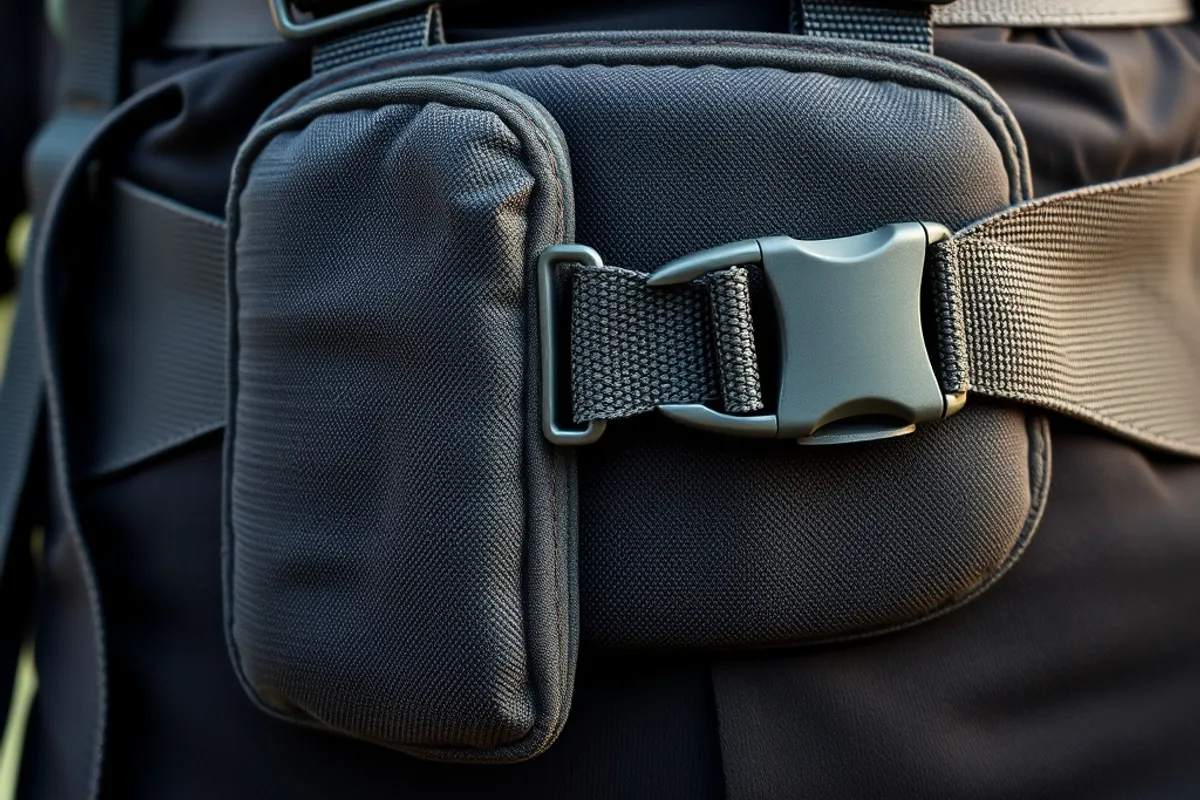
- Harness: padded, load-bearing hip belt for 40L and up
- Laptop sleeve: padded and against your back, not the lid
Volume: How Many Liters You Need
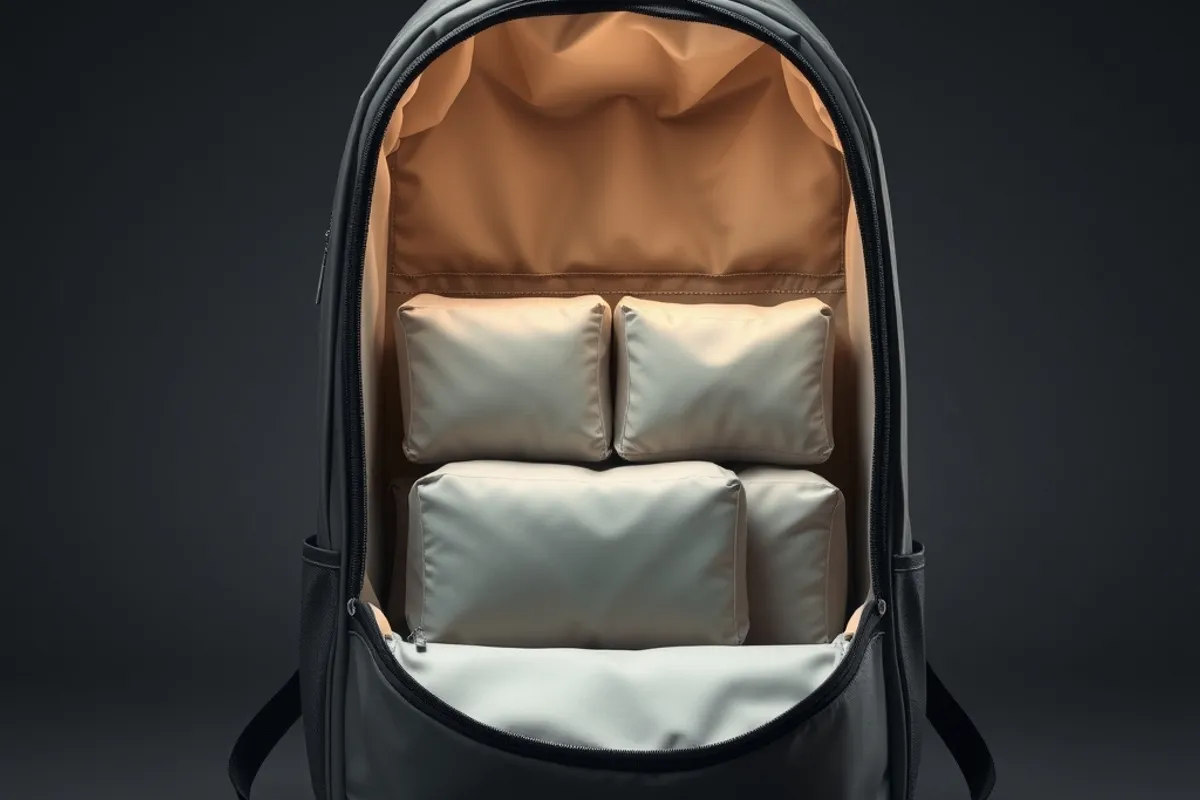
For a weekend, 28 to 35 liters is plenty. For a week or two with laundry, 38 to 45 liters works if the bag opens flat. Anything larger than 45 liters usually fails as a carry-on. Choose clamshell or panel loading over a top-loader; you will reach your gear without unpacking everything.
Fit and Harness Beat Features
A backpack is clothing. Load ten kilograms into a bag and walk for twenty minutes before you buy if you can. A proper hip belt transfers weight off your shoulders. Women's-specific or adjustable-torso designs fit far better than a unisex one-size bag.
The best feature is a hip belt that fits. Padding and pockets mean nothing if the weight sits on your shoulders.
Materials and Weather
Look for a durable face fabric, a solid zipper, and a rain cover or water-resistant coating. A bag that survives rain protects your electronics. Our notes on packing for variable weather pair well with a weather-ready pack.
The 2026 Picks by Use
For strict budget airlines, a 40-liter clamshell with a removable hip belt fits sizers and carries well. For long walks between stations, a 45-liter with a real harness and load lifters is worth the weight. For short trips, a 30-liter panel-loader doubles as a day pack. Test the sizer at the gate before you trust any bag.
Read recent traveler reviews for the words zipper and hip belt; those two parts decide whether a pack lasts. Check the airline's own page for current rules, since limits change without notice.
Packing So the Bag Fits
Use packing cubes to compress clothes and keep the shape flat. Wear your heaviest layer on the plane. Keep cables and liquids in an outer pocket for security. A light shoulder season trip needs fewer clothes, so a smaller bag works.
If you are also choosing a room, our boutique hotel guide notes why a walkable location means less gear on your back each day.
Buying Rules to Remember
Measure the airlines you fly most. Buy a bag that matches the smallest limit. Prefer repairable designs with replaceable zippers. And leave a little empty space; a bag packed to bursting never closes in a hurry.
Weigh it once at home on a luggage scale and note the number. Add a light foldable daypack for side trips so your main bag can stay in the room. Replace worn zipper pulls before a long trip rather than mid-journey.
A carry-on backpack is a long-term tool. Choose it on fit and dimensions, and it will pay for itself in avoided bag fees within a few trips.