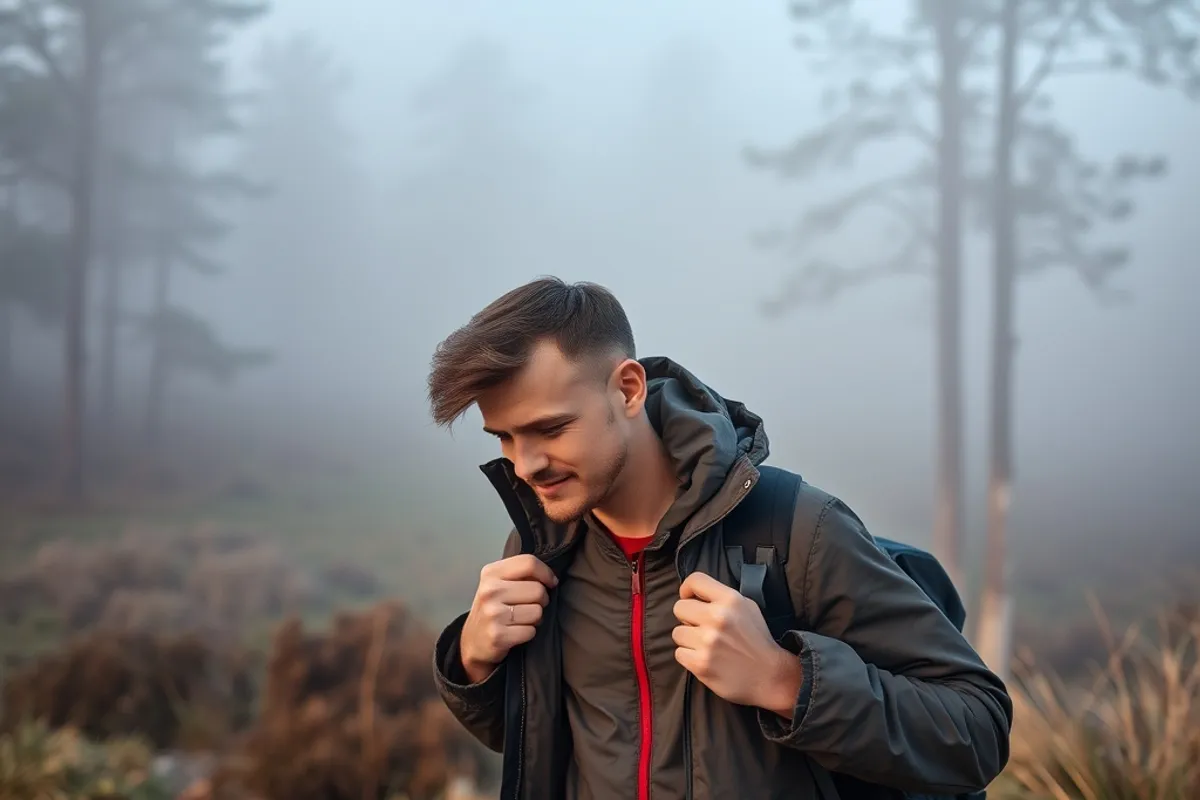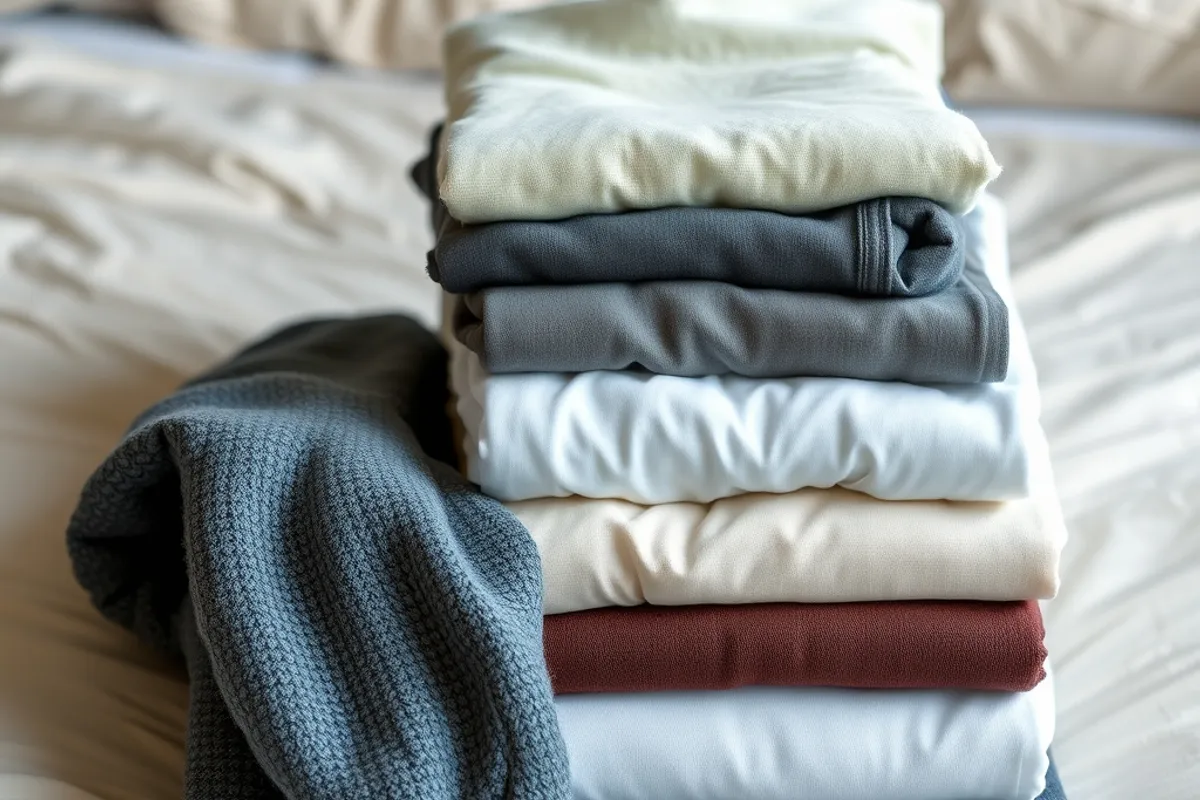
Variable weather breaks packing lists. You cannot predict a cold morning and a warm afternoon from the forecast alone, so the answer is layers, not more clothes. Three layers cover most trips from spring through autumn.
Layer One: The Base
The base layer sits against your skin and manages moisture. Merino wool or a synthetic blend works in both heat and cold. Bring two or three, since they are small and dry overnight. Avoid heavy cotton, which stays wet and chills you.
- Base layers: 2 to 3, thin and quick-drying
- Mid layer: 1 light fleece or sweater
- Shell: 1 packable rain jacket
- Weights: base 150g, mid 300g, shell 250g each
Layer Two: The Mid
A light fleece or thin wool sweater traps warmth. This is the layer you add in the morning and remove by noon. Choose one that packs small and layers under the shell without bunching at the shoulders.
Layer Three: The Shell
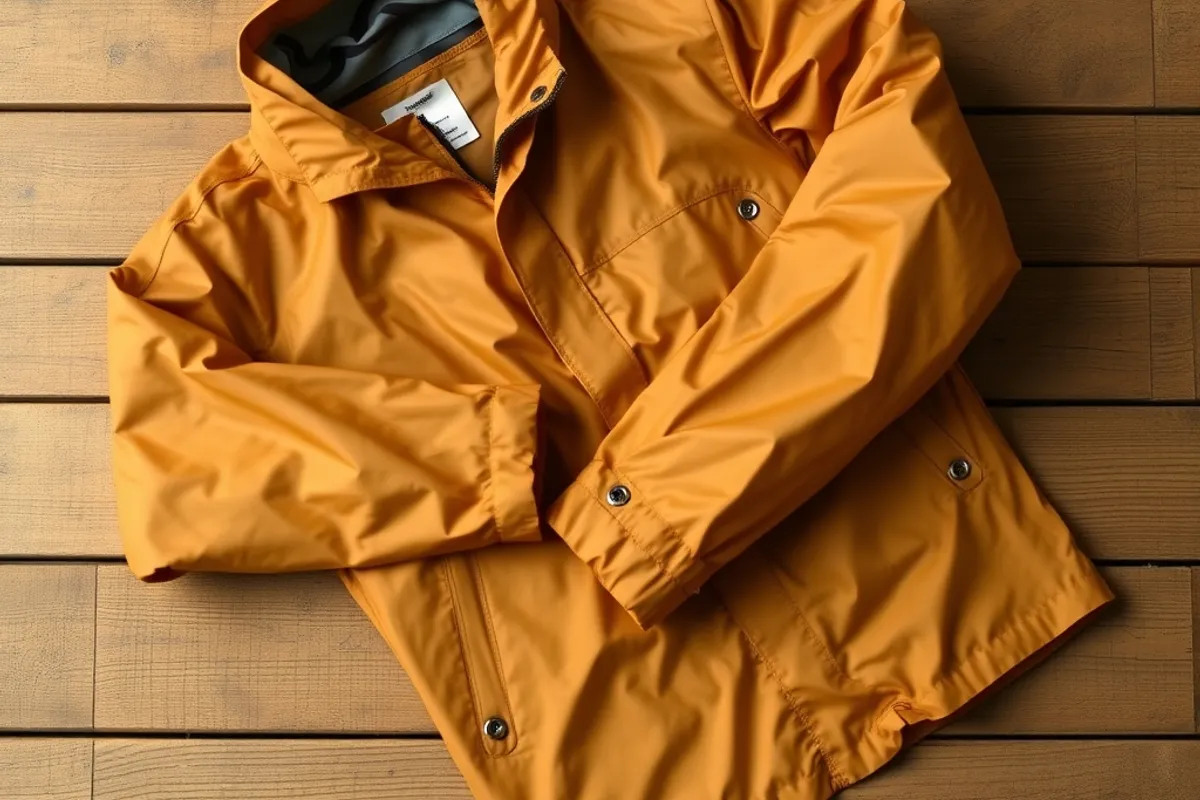
A packable rain jacket blocks wind and water. It should have taped seams and fit over the mid layer. A shell is your insurance against a sudden storm, and it weighs little in the bag. Roll it into its own pocket and it disappears. Before any trip, check the forecast range at a reliable source such as the National Weather Service at weather.gov; a ten-degree swing usually means you need all three layers.
Buy layers that work together. One good shell over two thin layers beats three heavy coats you cannot combine.
What to Leave at Home
Skip the second pair of shoes if you can, and skip bulky cotton jeans. One pair of walking shoes plus a light sandal covers most trips. Leave the umbrella if the shell has a hood. Fewer items means a smaller bag and less to carry.
Also leave behind the just-in-case clothes you have never worn. A spare jumper sounds wise until it fills a third of the bag. If you truly need it, buy a cheap one on the road and donate it before you fly home.
Building the Kit for a Week
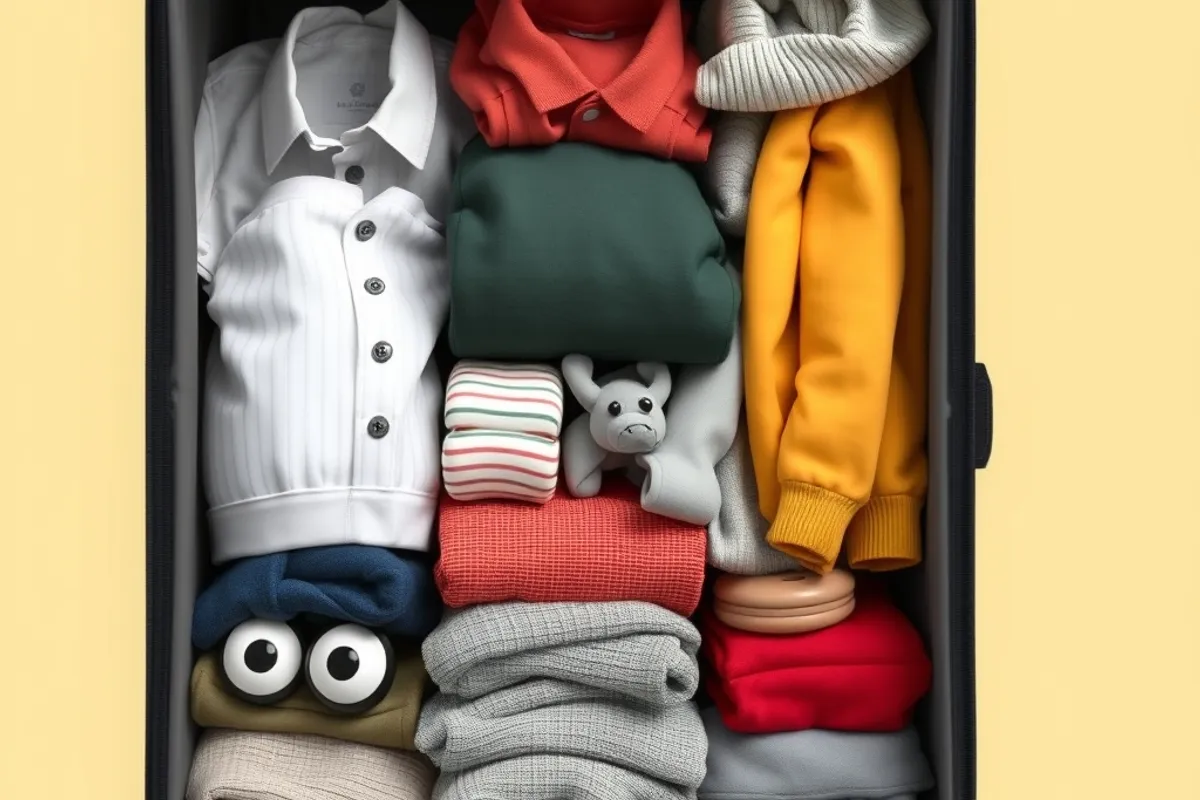
Start with three base layers, two pairs of trousers, one mid layer, one shell, socks and underwear for five days, and a small laundry kit. Wash base layers in the sink every other night. This kit fits a 30 to 40 liter bag, which matches our carry-on backpack picks.
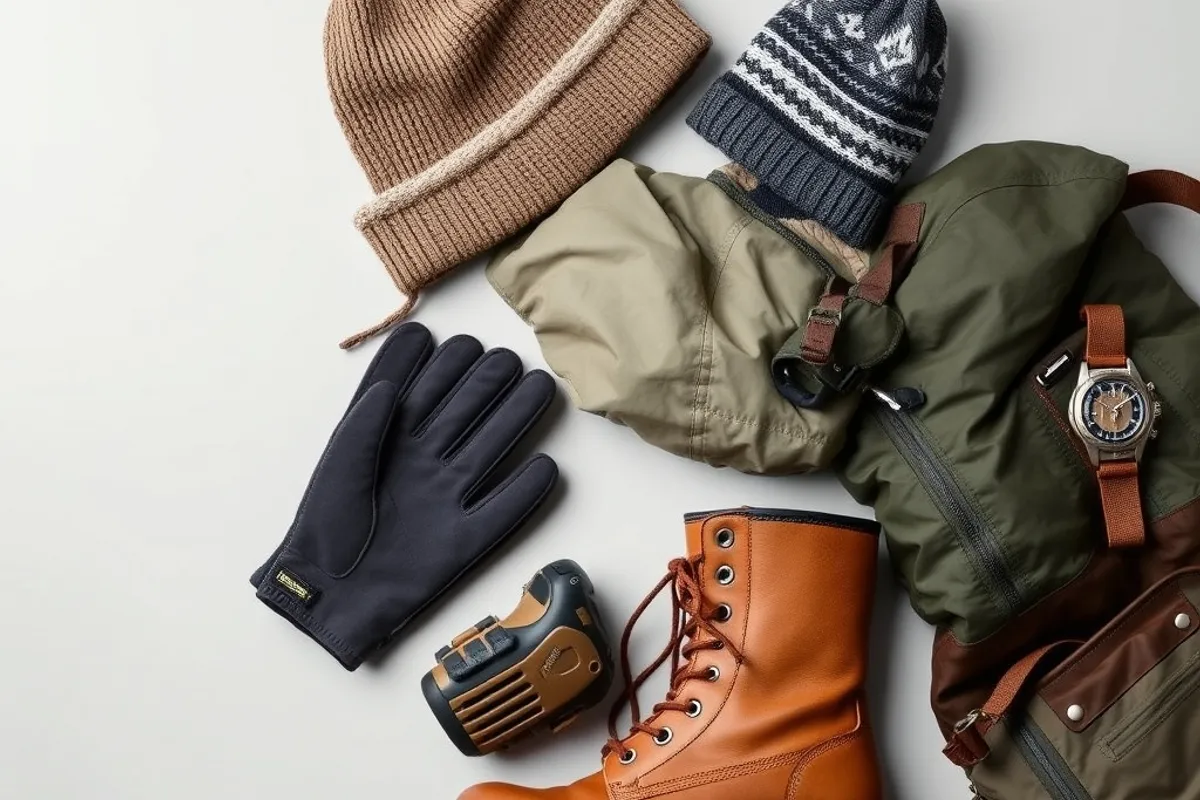
For cool trips, add a warm hat and gloves. For hot and humid places, our Southeast Asia notes suggest lighter fabrics. On a high-altitude hike, the shell matters most because weather turns fast.
Testing Before You Fly
Pack the bag a week early and carry it around the block. If it feels heavy, remove the least used item. Weigh it against your airline limit. Lay out each day's outfit and cut one piece from every day.
Wear the layers around the house for an hour. Check that the shell fits over the mid layer with room to move. Make sure the base layer does not bunch at the shoulders. Small fit problems become annoying ones after a day of walking.
Keep a short list of what you did not use on the last trip. Over two or three trips that list trims your bag by a third, and packing becomes quick instead of a guess.
Layering is a system, not a pile of clothes. Get the three pieces right and you can travel through almost any forecast with a light bag and no regrets.